
The Art of Going Back
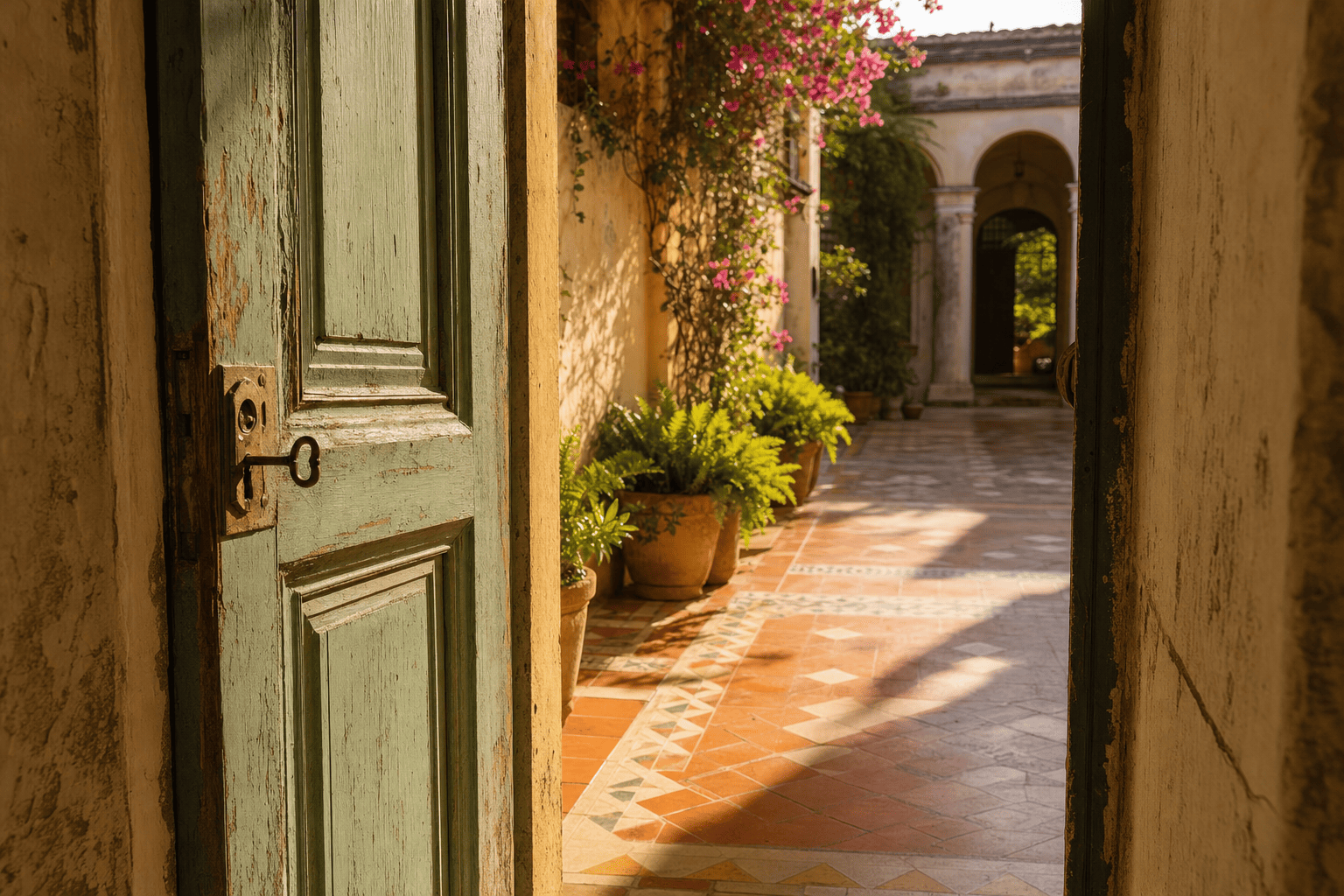
There is a moment at the end of a good trip — usually in the taxi, usually at the hour the streets are doing their best work — when you catch yourself making a promise: I'll come back. Mostly we break it. The next year arrives with its lists of new places, and the promise joins the drawer of things we meant.
Lately, though, more people are keeping it. The travel researchers have spent this year circling an unfashionable fact: Priceline's 2026 forecast found nearly three-quarters of travelers drawn to revisit the places that shaped them, and by most counts about a third of us go back to the same spot year after year. The industry files this under nostalgia, as if returning were a failure of imagination. We would argue it is the opposite. A second visit is not a rerun. It is a promotion — the moment a place moves from acquaintance to friend.
The first visit is reconnaissance. You arrive owing the place your attention: the sights, the famous light, the restaurant everyone insists on. The place performs for you, and you applaud. The second visit owes nothing. You land already knowing which side of the street holds the shade, where the good coffee is, how the afternoon sounds. What you lose in novelty you gain in texture — and texture, it turns out, is what memory is made of.
What the second visit knows
- The shortcuts. Not efficiency — ownership. The alley that cuts the corner, the bench that catches the last sun. Knowing a way is different from finding one; it is the difference between reading a place and speaking it.
- The people. The barista who looks up and starts your order. The woman at the fruit stand who nods as if you'd never left. Nothing in travel flatters like being remembered.
- The changes. Returning is the only way to watch a place move through time: the scaffolding has come down, the bakery has new owners, the tree on the corner is taller. A place you visit once is a photograph. A place you return to is a film.
November, the returning month
If the calendar has a season for this, it is now. November is when the year folds inward and every plan ahead is some rehearsal of return — tables we have sat at before, rooms we know by their creaks. The weather helps the argument along. In San Juan the heavy months let go: the trade winds come back like an old habit, the evenings go soft, and the old city settles into the half of the year it was built for. On Toronto's waterfront the first real cold performs its annual trick of making the familiar precious — the same café is somehow warmer than it was in July, because now the warmth is the point.
Considered stays reward the return more than grand ones do. A big lobby is identical every time; that is its job. But a room with a point of view — a hacienda ceiling, a wall the color of espresso, a window placed for one particular slant of light — is different the second time, because you are. You stop inspecting and start inhabiting. You unpack less carefully and sleep better. The room remembers you back.
So this is our November suggestion, offered gently: this year, resist the pull of somewhere new. Go back. Book the same room if you can get it, the same week if you can manage it. Walk in, hang your coat on the hook you used last time, and notice the strange, calm luxury of a place that requires nothing of you but your presence.
If one of the places you return to is ours, we are glad of it. We keep two doors open — Casa Monteflores, a hacienda penthouse above the streets of San Juan, and Macchiato, our coffee-steeped apartment near Toronto's waterfront. And by a quiet lake not far away, a small family of A-frame cabins keeps taking shape — built, like everything we do, for the kind of guest who comes back.