
How we work
Every place we take on starts from what the town has already said it wants. Long-range plans, board minutes and the quiet list of things a community has been asking for are public, and they are usually more specific than the market study. We read those first, then design a program that answers them and still carries its own debt.
An engagement runs in five steps. We can lead all of them as the developer, run one or two alongside a partner who is already on title, or carry a site far enough that a larger operator or capital partner can underwrite it.
1 · Discovery
What the place wants, learned before a project is public. Plans, precedent, the constraints nobody writes down, and an honest read on whether the opposition is about this project or about the last one.
2 · Concept & program
The mix — rooms, homes, retail, and the learning use — sized to what the market will carry and phased so the early buildings do not wait on the late ones. This is where the hospitality anchor gets set, because it decides the character of everything around it.
3 · Site selection & feasibility
Which parcel, and at what basis. Access, utilities, topography, frontage, and the walk from a front door to the green, tested against a real program and a real budget. A site that only works on a spreadsheet is a no, and we would rather say it early.
4 · Entitlement & permitting
Rezonings, variances and site plans, argued in front of the boards that decide. Neighbors are brought in before a project is public, the community benefit is defined and budgeted rather than promised, and the same person who drew the plan is in the room to defend it.
5 · Delivery & operations
Budgets, capital structure and returns written the way an investment committee expects to read them, then construction with an operator's eye on what the building will cost to run. Because we operate our own properties, the pro forma is not the last time anyone thinks about housekeeping paths and back-of-house.
What you get
A program and phasing plan, a site or a shortlist with the feasibility work behind it, an entitlement strategy with the hearing calendar attached, a budget and operating model, and a defined community asset with a number next to it. Deliverables are ours; the decisions stay yours.
The current example
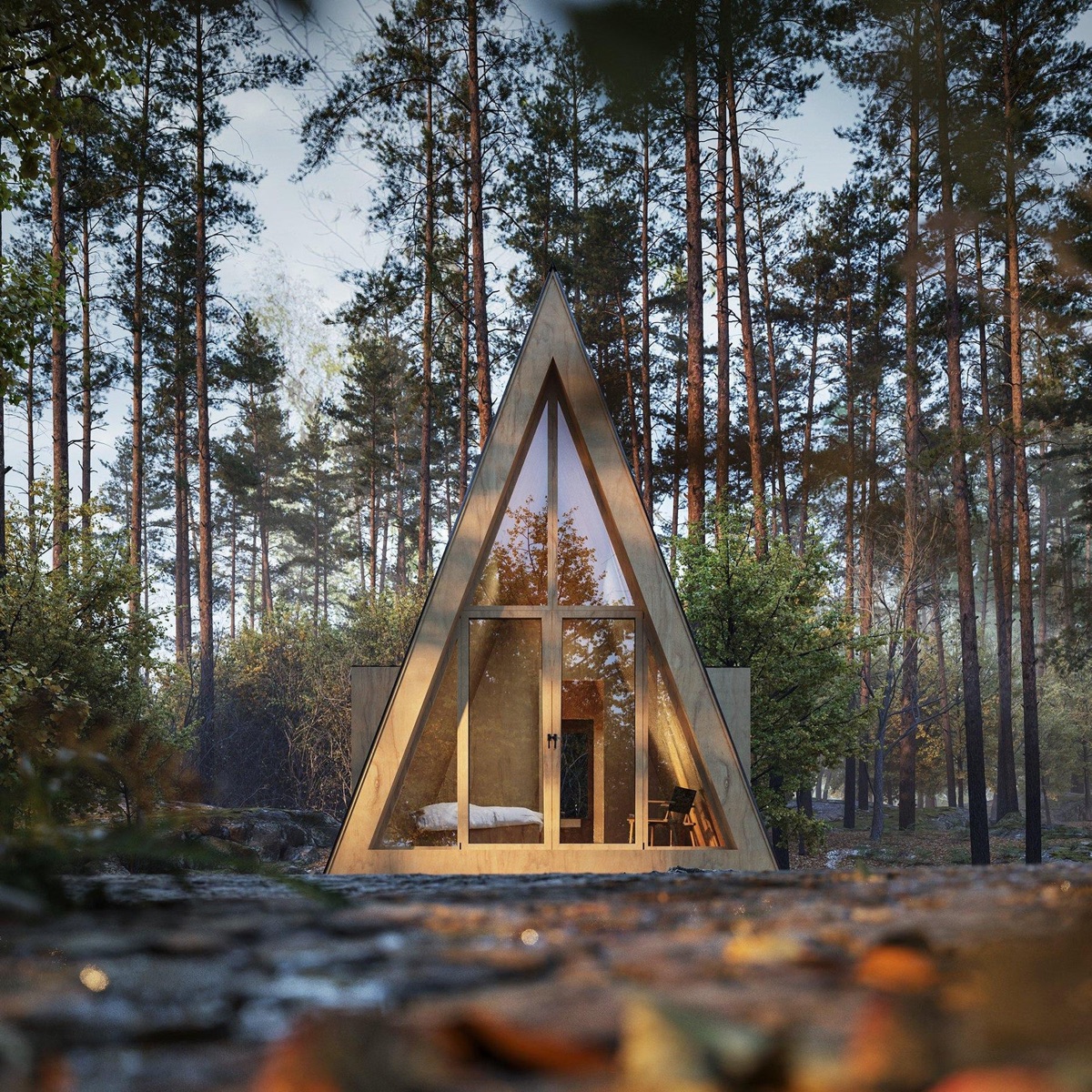
A cluster of lakeside A-frame cabins is in planning: the smallest complete version of the model, where the hospitality anchor, the shared ground between the buildings and the walk to the water are the whole project. It is the test bed for the district-scale work, and the reason our next set of assumptions will be shorter and better.
For a stay, book directly with Casa Monteflores or Macchiato. For development inquiries — a site, a plan, a town center looking for its anchor — write to Bryce directly.